An In-Depth Explanation of Privacy, Functionality, and Practical Insights
Discover the fascinating world of tracking links and modern URL analytics as we delve into their essential roles in digital marketing, user privacy, and data-driven decision-making. This comprehensive guide explores how these tools work, their impact on online privacy, and practical insights for navigating the evolving landscape of web analytics. Equip yourself with the knowledge to understand, evaluate, and responsibly utilize tracking links in today's interconnected digital environment.
Introduction to Tracking Links and URL Analytics
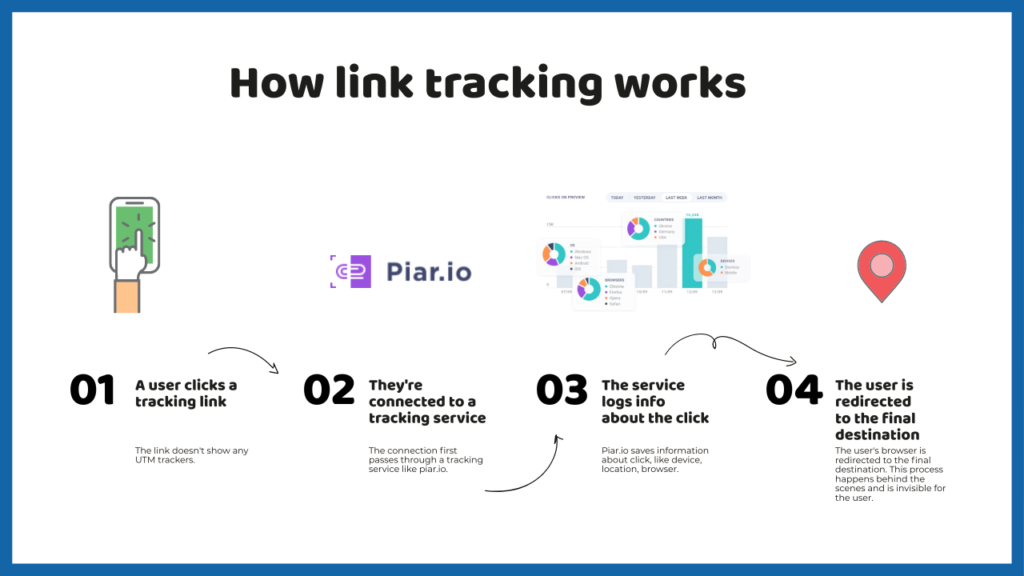
In the rapidly evolving world of digital marketing, understanding how users interact with online content is crucial for achieving business objectives. Data plays a pivotal role in shaping marketing strategies, optimizing campaigns, and enhancing user experiences. Among the tools that facilitate this data-driven approach are tracking links and URL analytics.
Tracking links are specially crafted URLs that enable marketers to monitor how users engage with specific campaigns or content. They serve as digital breadcrumbs, providing insights into user behaviors, preferences, and interactions. Over time, as online platforms and technologies have advanced, URL analytics have also evolved from simple click counters to sophisticated systems capable of capturing detailed data in real time.
This evolution reflects the increasing importance of data collection in digital marketing, where understanding campaign performance and user engagement can make the difference between success and failure. As we explore these tools, it’s essential to consider their role not only in marketing but also in the context of user privacy and data protection.
How Tracking Links Work
Tracking links are URLs embedded with additional parameters that allow data collection about user interactions. These links are created by appending specific information—such as campaign identifiers, source, medium, or content details—to the base URL.
What are tracking links and how are they created?
A typical tracking link might look like this:
https://www.example.com/product?utm_source=facebook&utm_medium=cpc&utm_campaign=spring_sale
Here, the parameters after the question mark (?) are used to identify the source of the traffic, the marketing medium, and the specific campaign. These parameters are often generated using UTM tags—standardized URL parameters that facilitate consistent data collection across campaigns.
The role of URL parameters and UTM tags
URL parameters and UTM tags are essential for differentiating traffic sources and understanding how users arrive at a website. They enable app teams web and marketing teams to analyze which channels are most effective, thereby helping to achieve business objectives.
How tracking links capture user interactions and behaviors
When a user clicks on a tracking link, the embedded parameters are sent to analytics platforms like Google Analytics or other tools such as Bitly or ClickMeter. These platforms record data such as:
- The number of clicks
- User location
- Device type
- Time spent on the site
- Actions taken (e.g., purchases, sign-ups)
This data collected helps marketers evaluate campaign performance, optimize strategies, and personalize user experiences.
Modern URL Analytics Tools and Technologies
The landscape of URL analytics has expanded with a variety of powerful tools designed to provide comprehensive insights.
Popular analytics platforms
- Google Analytics: The industry standard for website analytics, offering detailed reports on user behavior, traffic sources, and conversions.
- Bitly: Primarily known for URL shortening, it also provides click tracking and link management.
- ClickMeter: Offers advanced tracking features, including conversion tracking and multi-channel attribution.
Features and functionalities of modern URL analytics tools
Modern tools provide functionalities such as:
- Real-time tracking and reporting: Immediate insights into user interactions.
- Campaign attribution: Understanding which marketing efforts drive engagement.
- Geolocation data: Identifying where users are located.
- Device and browser analysis: Optimizing content for different platforms.
Realtime tracking and reporting capabilities
These capabilities allow app teams web and marketers to monitor campaign performance as it happens, enabling quick adjustments to improve results and better understand user engagement patterns.
The Impact of Tracking Links on User Privacy
While tracking links are invaluable for data collection and marketing optimization, they raise significant privacy concerns.
Privacy concerns associated with URL tracking
Tracking links can inadvertently collect sensitive information, such as location data, device identifiers, or browsing habits, which may infringe on user privacy if not managed responsibly.
Data collection practices and user consent
Regulations like GDPR (General Data Protection Regulation) and CCPA (California Consumer Privacy Act) mandate transparency and user consent for data collection. Websites must inform users about data collection practices and obtain explicit consent before tracking.
Regulatory frameworks and compliance requirements
Compliance involves implementing standard data protection clauses and ensuring that data collection practices are transparent and respectful of user rights. Failure to comply can result in hefty fines and damage to reputation.
Balancing marketing insights with user privacy rights
Achieving this balance requires adopting privacy-friendly tracking methods, such as anonymizing data, limiting data collection to what is necessary, and providing clear opt-out options.
Practical Applications of URL Analytics in Digital Marketing
URL analytics serve as a backbone for various marketing activities.
Campaign performance measurement and optimization
Tracking links enable marketers to assess how different campaigns perform, identify high-performing channels, and allocate resources effectively.
Personalization and targeted advertising
Data collected from URL tracking allows app teams web to tailor content and advertisements to individual user preferences, increasing engagement and conversion rates.
Conversion tracking and attribution modeling
Understanding which touchpoints lead to conversions helps in refining marketing strategies and demonstrating ROI.
Enhancing user experience through data insights
Analyzing user interactions helps identify pain points and opportunities for improving website usability and content relevance.
Ethical Considerations and Best Practices
Responsible use of URL analytics is essential to maintain user trust and comply with legal standards.
Transparency with users about data collection
Always inform users about what data is being collected and how it will be used, ideally through clear privacy policies.
Implementing privacy-friendly tracking methods
Use techniques like anonymization, pseudonymization, and respecting Do Not Track signals to minimize privacy risks.
Respecting user preferences and optout options
Provide easy-to-access options for users to opt out of tracking, aligning with privacy regulations and best practices.
Responsible data management and security
Ensure that collected data is stored securely, accessed only by authorized personnel, and retained only as long as necessary.
Navigating the Evolving Landscape of URL Analytics and Privacy
The future of URL tracking and analytics is shaped by emerging trends and technological innovations.
Emerging trends in URL tracking and analytics
- Cookieless tracking: Moving away from cookies towards device fingerprinting and other privacy-preserving methods.
- AI and IoT integration: Leveraging artificial intelligence and Internet of Things data to gain deeper insights, such as air quality levels or smart device interactions.
- Cloud-based analytics: Utilizing cloud platforms for scalable, real-time data processing.
The future of privacy-preserving analytics
Innovations like privacy-preserving analytics aim to balance data utility with user privacy, enabling insights without compromising individual rights.
Tips for marketers and website owners
- Stay informed about privacy regulations and adapt practices accordingly.
- Use standard data protection clauses when sharing data across borders.
- Prioritize transparency and user control over data collection.
Final thoughts: Making informed decisions in a privacy-conscious environment

As digital landscapes evolve, responsible use of tracking links and URL analytics is essential. By understanding their functionality, respecting user privacy, and adhering to regulations, marketers and app teams web can harness these tools ethically and effectively to achieve business objectives.
Discovering and understanding tracking links and modern URL analytics is vital for navigating today’s interconnected digital environment. Equipped with this knowledge, you can make informed, ethical decisions that respect user privacy while optimizing your marketing efforts.