Evolution of URL Shortening: Exploring TinyURL, AI-Powered Smart Links, and the Future of Link Management
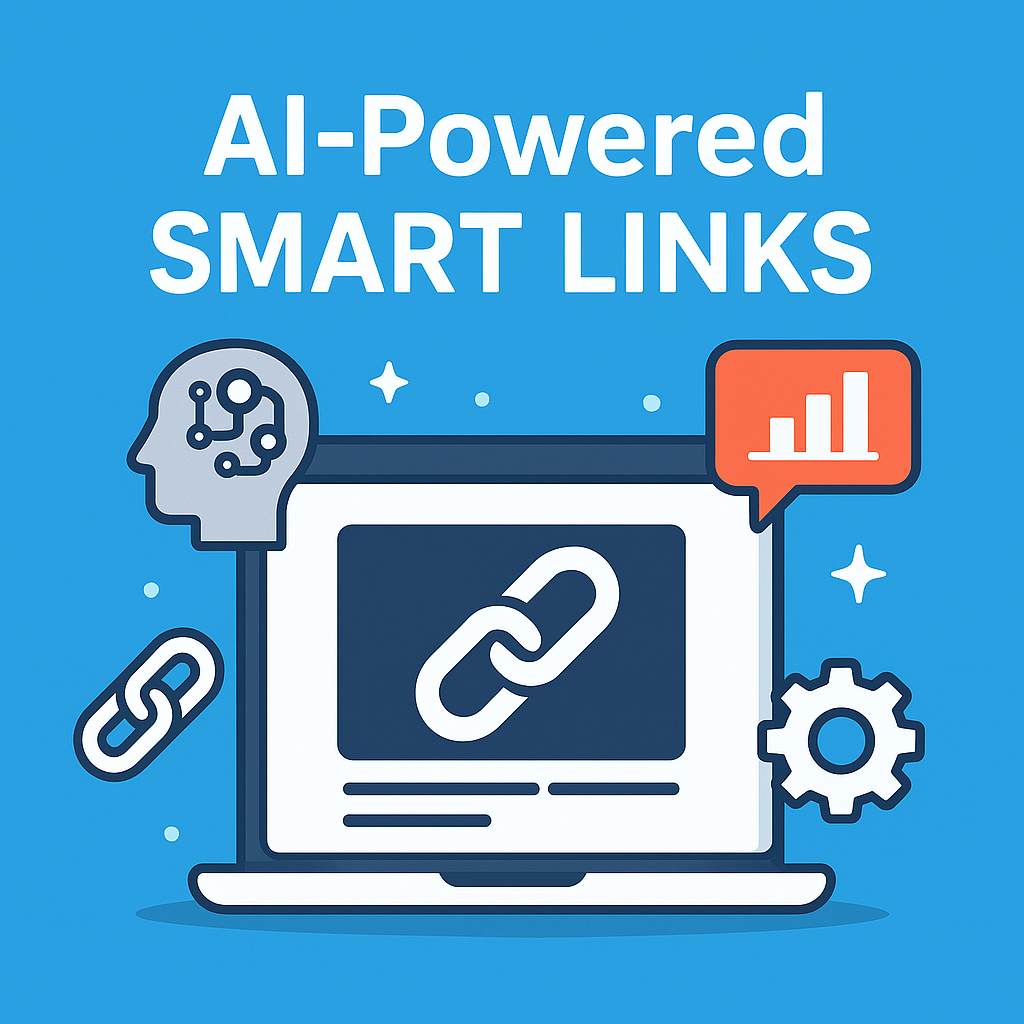
Discover the fascinating evolution of URL shortening technology, from the pioneering days of TinyURL to the emergence of AI-powered smart links that enhance user experience and security. This comprehensive article explores how link management has transformed over time, offering insights into innovative tools, practical applications, and the future trends shaping digital connectivity for everyday users and professionals alike.
Introduction to URL Shortening Technology
In the vast landscape of digital communication, URLs serve as the gateways to online content, but long, unwieldy links can hinder sharing and user experience. URL shortening technology emerged as a solution to transform lengthy URLs into concise, manageable links, making them easier to share across social media, emails, and messaging platforms. This innovation has become vital in enhancing user engagement and streamlining digital interactions.
With the proliferation of social media platforms and the increasing importance of link management tools, the ability to generate short, trackable links has become indispensable for marketers, content creators, and everyday users. These tools not only simplify sharing but also enable detailed analytics, security features, and branding opportunities.
This article explores the fascinating evolution of URL shortening, from its humble beginnings with TinyURL to the integration of advanced AI-powered smart links, and looks ahead to the future of link management in a rapidly changing digital world.
The Origins of URL Shortening
The concept of URL shortening was pioneered by TinyURL in 2002, marking a significant milestone in digital communication. TinyURL introduced the idea of creating a short, unique alias for a long URL, making it easier to share and remember. This innovation revolutionized how users and businesses shared links, especially in environments with character limits like Twitter.
Early URL shorteners like TinyURL offered a simple, effective way to reduce long URLs into manageable snippets. However, these early tools had limitations, such as lack of customization options, limited analytics, and concerns over link permanence. Despite these constraints, TinyURL set the stage for a new era of link management.
The Growth and Diversification of URL Shortening Services
As the internet expanded, so did the demand for more sophisticated link management solutions. Platforms like Bitly and Ow.ly emerged, offering enhanced features such as branded short domains, detailed click analytics, and integration with marketing tools. These services became essential in social media campaigns, email marketing, and data-driven analytics.
The widespread adoption of URL shorteners brought challenges, including link rot—where links become broken or outdated—and security issues like malicious redirects. Additionally, branding consistency and trust became critical, prompting companies to develop custom short domains and security measures to prevent misuse.
The Role of URL Shortening in Digital Marketing and User Engagement
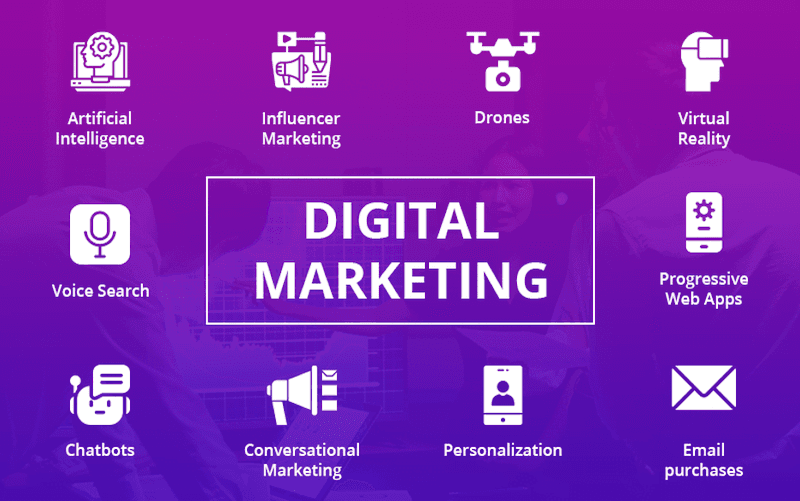
Concise, trackable links significantly improve user experience by reducing clutter and increasing click-through rates. Marketers leverage URL shorteners to embed links seamlessly into social media posts, advertisements, and email campaigns, enabling better tracking of user engagement.
Analytics capabilities provided by these tools allow marketers to monitor click patterns, geographic data, and device usage, helping optimize campaigns for better performance. The ability to measure and analyze link performance has transformed digital marketing strategies, making them more data-driven and effective.
The Rise of AI-Powered Smart Links
The advent of artificial intelligence (AI) has revolutionized URL shortening with the development of AI-powered smart links. Unlike traditional short URLs, these smart links incorporate machine learning algorithms to offer dynamic content, personalization, and enhanced security.
AI integration enables links to adapt based on user behavior, device type, or location, providing a tailored experience. Features like real-time threat detection, automatic link optimization, and contextual content delivery distinguish these smart links from their traditional counterparts, offering a new level of sophistication in link management.
Benefits of AI-Powered Smart Links for Users and Marketers
AI-powered smart links deliver numerous advantages. For users, improved security measures help detect and prevent malicious links, safeguarding personal data. Contextual content personalization enhances user engagement by delivering relevant information based on user profiles or behavior.
For marketers, automation features enable real-time link optimization, ensuring maximum impact. Threat detection and security protocols reduce the risk of phishing or malware, building trust with audiences. These benefits collectively accelerate productivity and improve overall digital interactions.
Practical Applications of Smart Links in Modern Digital Strategies
Smart links are versatile tools in various digital strategies. Personalized marketing campaigns utilize AI to serve tailored content, increasing conversion rates. Secure sharing of sensitive information, such as login credentials or confidential documents, benefits from enhanced security features.
In affiliate marketing, smart links facilitate accurate tracking of conversions and commissions, optimizing revenue streams. They also support integration with platforms like the Amazon eBay app, enabling seamless product linking and analytics. These applications demonstrate how smart links are integral to contemporary digital ecosystems.
Challenges and Considerations in Advanced Link Management
Despite their advantages, advanced link management systems face challenges. Privacy concerns arise from data collection and user tracking, necessitating compliance with regulations like GDPR. The potential for misuse or malicious links remains a significant risk, requiring robust security protocols.
Technical complexities, such as integrating AI web apps with existing infrastructure, can pose hurdles for organizations. Ensuring transparency, user trust, and security must be prioritized to maximize the benefits of these sophisticated tools.
The Future of URL Shortening and Link Management
Emerging trends point toward a future where AI, blockchain, and decentralized technologies redefine link management. AI will continue to enable smarter, more secure, and user-centric link tools, offering features like predictive analytics and autonomous link optimization.
Blockchain integration could provide tamper-proof link tracking and enhanced security, while decentralized platforms may offer greater control and transparency. As digital transformation accelerates, link management will evolve to support increasingly complex and secure online ecosystems, impacting sectors from academia industry to China Aerospace Studies Institute and India Urban Data Exchange.
How Everyday Users and Professionals Can Leverage Modern Link Tools
To harness the power of modern link tools, users should adopt best practices such as verifying link authenticity, avoiding suspicious URLs, and understanding privacy policies. Choosing platforms that align with specific needs—whether for social media, secure sharing, or analytics—is crucial.
Staying informed about new developments in AI web app ideas, deep learning applications, and programming languages will help professionals leverage these tools effectively. Continuous learning ensures users can maximize productivity and security in their digital interactions.

From the pioneering days of TinyURL to the sophisticated realm of AI-powered smart links, the evolution of URL shortening reflects ongoing innovation in digital connectivity. These tools have transformed how we share, analyze, and secure links, playing a vital role in marketing, security, and user engagement.
As technology advances, the future of link management promises smarter, more secure, and more personalized solutions that will further accelerate productivity and enhance digital experiences. Embracing these innovations is essential for both everyday users and industry professionals to stay ahead in an increasingly interconnected world.